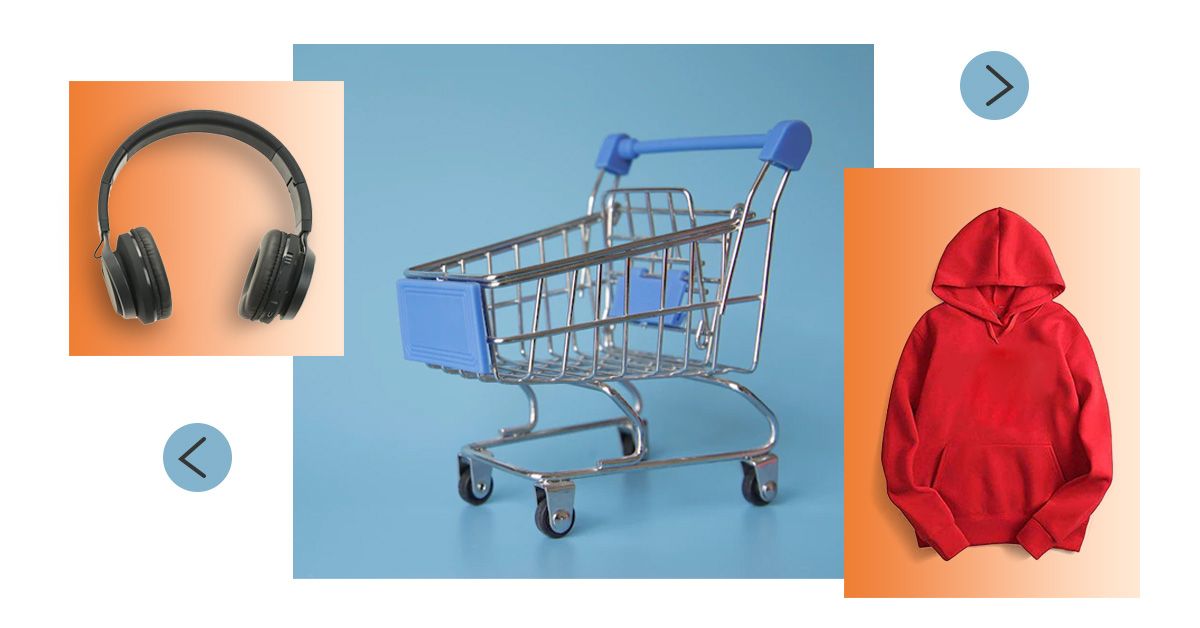
Product images that you upload on Shopify are a lot different from the ones you capture. You need to do post-processing optimization to make your images Shopify compliant. Here is what you should primarily focus on -


1. Enhance

Even though you use good lighting during product photography, a little bit of image enhancement will take your product images up a notch. You can use tools and apps for the best results.

2. Resize

To make your product images Shopify compliant, it is vital to understand the image size requirements. You should crop and compress the images in a way that can be easily loaded on all devices, has a mobile-friendly alignment, and still has the optimum resolution to allow consumers to zoom in without compromising the image clarity. In general, you should try to keep the image size less than 70 kilobytes.

2. Resize

To make your product images Shopify compliant, it is vital to understand the image size requirements. You should crop and compress the images in a way that can be easily loaded on all devices, has a mobile-friendly alignment, and still has the optimum resolution to allow consumers to zoom in without compromising the image clarity. In general, you should try to keep the image size less than 70 kilobytes.

4. Theme alignment

Whatever theme you choose for your product page, make sure that all your product images are aligned to it. This will include the color palette, design, and backdrop.

If you are looking for options to automate the post-processing steps, you can try DoMyShoot for creating high-quality product images that yield the best returns on Shopify.


Banner image with CTA Button

Related Blog

Learn more about AI content creation and AI workflows

FAQs

Need more tips? Discover editing tricks for Shopify product photos.

Why should I enhance my product images after photographing them?

Post‑processing (like color correction, brightness/contrast adjustments) can make your photos look more polished and consistent—even if lighting was already good—helping your products look more professional and appealing to buyers.

What are the optimal image dimensions and file size for Shopify?

Shopify supports images up to 5000 × 5000 px (or 25 megapixels), with a file size up to 20 MB. However, for best performance, many recommend using 2048 × 2048 px for square product images. Also, aim for smaller file sizes (e.g., under 100‑200 KB) to improve site speed.

Do I need to compress my images before uploading to Shopify?

Yes — compressing images helps decrease page load time without noticeably sacrificing image quality. Even though Shopify applies some automatic optimization, pre‑upload compression ensures you're not uploading unnecessarily large files.

Which file formats should I use for my Shopify product images?

Shopify supports a variety of formats including JPEG, PNG, GIF, WebP, TIFF, PSD and more. 1. Use JPEG for photographs (best balance of quality & size) 2. Use PNG for images that need transparency or crisp edges 3. Shopify will automatically serve the best format (e.g., WebP) depending on the visitor’s browser

How do I make sure my images align with my Shopify theme?

1. Use a consistent aspect ratio (e.g., all square) so images display uniformly 2. Set a focal point for each image in Shopify’s theme editor to control how it's cropped or displayed on different screen sizes 3. Choose backgrounds, color palettes, and styling that match your store’s theme, so the images feel cohesive with the rest of your shop

Your Data-Backed Mood board, Built in Seconds

Stop guessing. Start creating with visuals proven to perform in your category

ecommerce product photography

Turn insights into instantly usable creatives

Dresma’s AI-powered mood board generator scans top-performing visuals across Amazon, Instagram, and your competitors. It curates a board tailored to your brand, giving you instant creative direction rooted in data—not guesswork

Discover trending content styles driving engagement in your category

Mood boards are personalized to your brand identity and guidelines

Every idea is backed by performance data, so you design content that converts

From Data to Design with Dresma

Transform insights into visuals that actually perform